POTS and the Autonomic Nervous System: How Vagus Nerve Stimulation Supports Recovery
May 31, 20262 min read
POTS — postural orthostatic tachycardia syndrome — is one of the most debilitating and least understood autonomic conditions. People with POTS stand up and their heart races to 140, 150, 160 beats per minute. They feel dizzy, exhausted, and like their heart might burst out of their chest. But when you understand what POTS actually is at the physiological level, a more complete path to recovery becomes clear.
What POTS Actually Is
POTS is an injury to the autonomic nervous system — a combination of two related problems. First, the ANS loses its ability to maintain adequate blood pressure to the brain when a person stands. Second, the heart's compensatory response becomes dysregulated, racing to 140-160 bpm instead of rising modestly. POTS typically results from cumulative injuries — concussions, subconcussive impacts, surgeries, fractures, emotional traumas, post-viral inflammation. COVID-19 has become a particularly common trigger.
Why POTS Persists
POTS symptoms that do not resolve indicate that chronic inflammation is blocking the brain's natural repair mechanisms. This is why treating POTS without addressing the underlying inflammatory state produces only partial, temporary results.
The Role of Vagus Nerve Stimulation
The vagus nerve is one of the primary conduits through which the autonomic nervous system regulates inflammation. Stimulating it through the ear — transcutaneous auricular vagus nerve stimulation — enhances the body's ability to reduce inflammation systemically. Clinical studies show meaningful improvements in both the blood pressure and heart rate components of POTS, alongside reductions in inflammatory markers.
The Full Protocol for POTS Recovery
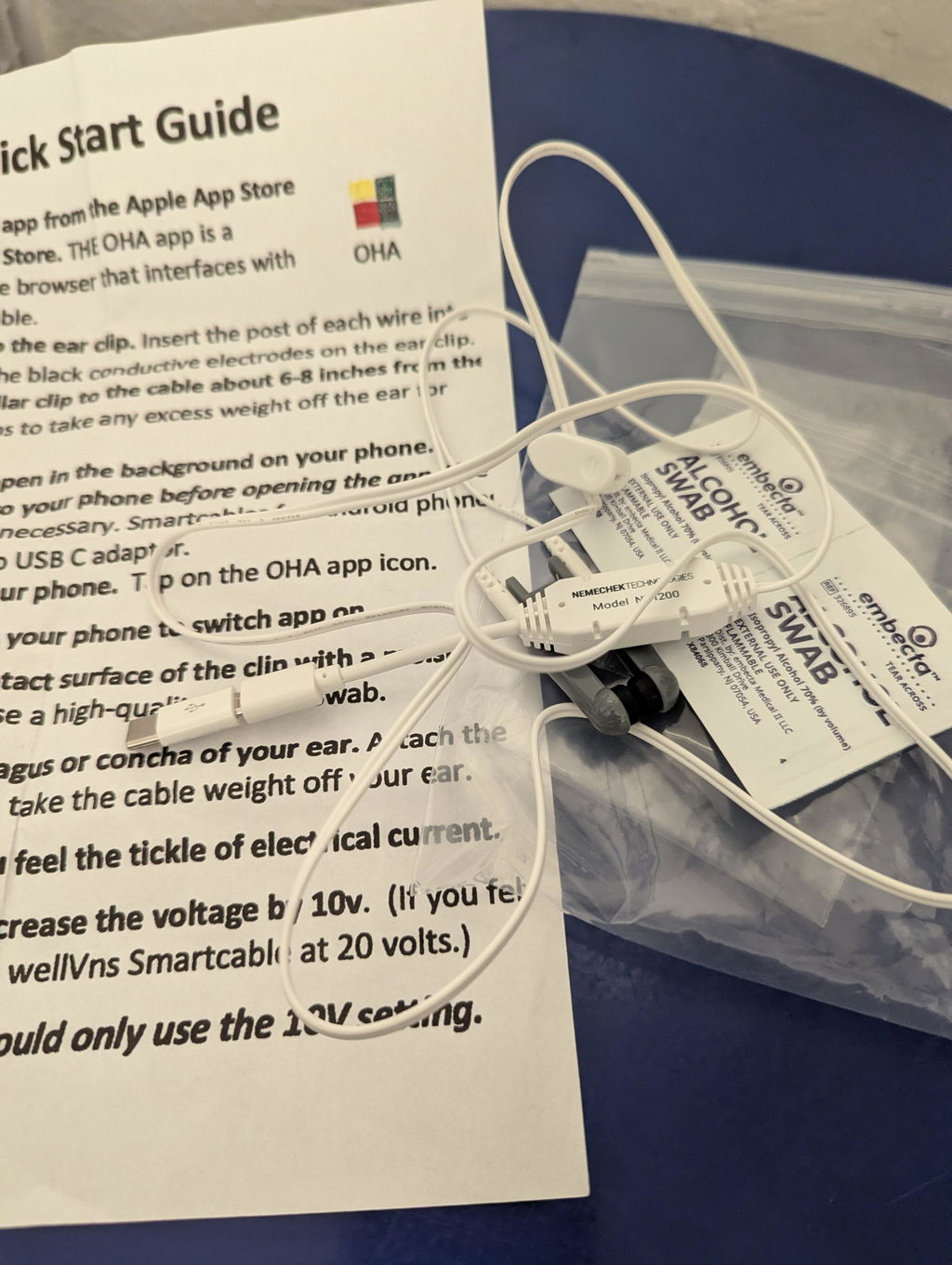
The Vitality Smartcable provides vagus nerve stimulation to lower systemic inflammation and directly support autonomic recovery. Rifaximin rebalances gut bacteria — SIBO is a significant driver of chronic inflammation in POTS. High-DHA fish oil provides the omega-3s needed to manufacture natural anti-inflammatory molecules. Extra virgin olive oil blocks the pro-inflammatory effects of omega-6 fats throughout the modern food supply.
When these components work together, the vast majority of people with POTS improve steadily over six to twelve months. Most patients eventually no longer require vagus nerve stimulation, and many can discontinue rifaximin. Fish oil and olive oil are worth continuing long-term.
Resources:
Vitality Smartcable — transcutaneous vagus nerve stimulation for autonomic recovery
Medical Disclaimer: The information in this article is for educational purposes only and is not intended as medical advice. POTS is a medical condition requiring professional evaluation. Please consult with a qualified healthcare provider before making changes to your health regimen. Individual results vary.
SUBSCRIBE
Sign up to get the latest on sales, product releases, and more…
Vitality Smartcable was easy to set up. The app opened up as soon as I plugged into my phone. Five minutes of use throughout the day is very convenient. Soon I'll get the funk out of my depression from losing my job, losing my sister to breast cancer, and losing my dog. Every bit of medical help is appreciated.
They work just like the original one I received with the cable. My only complaint is that I was unable to get them a year ago when the first one failed. Thanks for making them available.